

Many people don’t think about vertical storage when they think about organizing their homes. There are vertical solutions for every room, whether it is a magnetic strip on the kitchen wall to hold knives, a peg wall with hooks and holders in the garage for tools, sports equipment, and gardening supplies, or a decorative spice rack near your stove to corral those small bottles and free up cabinet space. If you are a crafter like I am, you know how quickly craft supplies can multiply and get out of control. Instead of stuffing them all in boxes and cupboards where you can’t see them, consider mounting a wall organizing system like this one from Hafele.
Another area that can benefit from decluttering is your clothes closet. Discard or donate any clothes that are outdated, no longer fit, or that you haven’t worn in the last several years. Be brutal! Once it’s out of sight, it will most likely be out of mind as well.
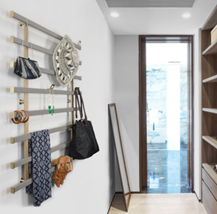
Once the decluttering is done, now you need to find a way to store the clothes that are left in a way that is convenient and easily accessible. Converting one wall or a portion of one wall to adjustable shelves is one solution. Baskets can hold loose items such as scarves, while clear plastic boxes can keep out of season shoes neat, clean, and organized. Vertical storage in the closet is another solution that many people may not consider. Symphony Wall Organizers come in a variety of heights and the bars can shift left or right to accommodate light switches and outlets. A variety of hooks allow flexibility to hang everything from shoes to bags to hats to jewelry, keeping everything easily accessible.
These are just a few ways you can organize your home to help reduce your stress and save you time. A quick online search will inspire you with many more ideas to declutter. Although the process may seem daunting, it will pay off in the end!
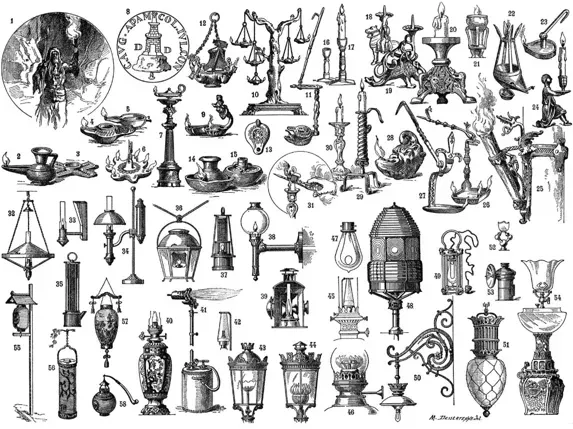
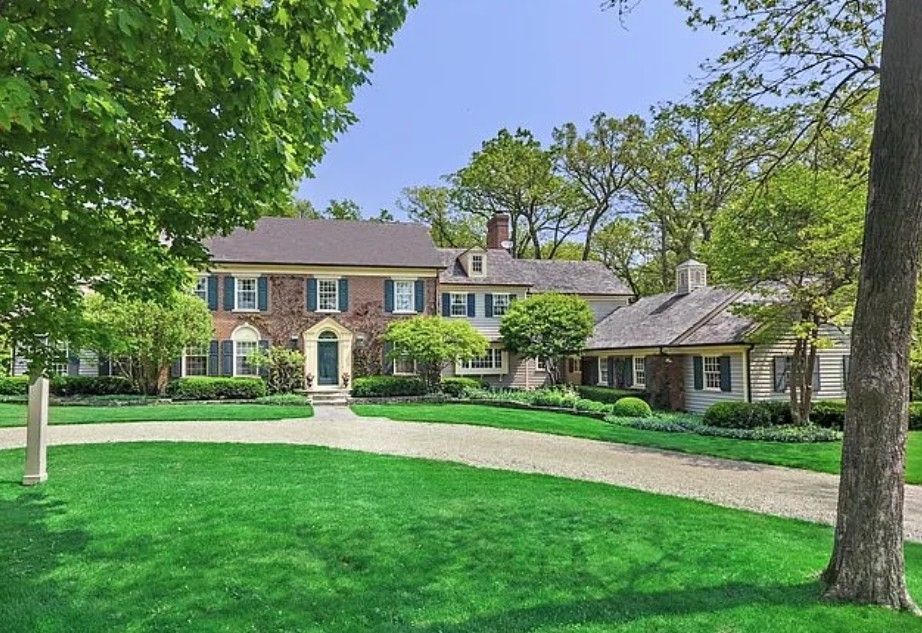
Do you live in a “Painted Lady” from the Victorian era? Or perhaps an Arts and Crafts home from the early 1900s? When remodeling your home in a particular historical style, don’t neglect the light fixtures to help recreate the period. Here is an overview of lighting from different periods, from earliest to most recent.
Colonial-era lighting is characterized by simple and understated designs, often made from brass, copper, or wrought iron. Early American settlers often used simple oil lamps. Candlestick-style wall sconces, lantern-style pendant lights, and brass chandeliers with multiple arms are typical of Colonial homes.
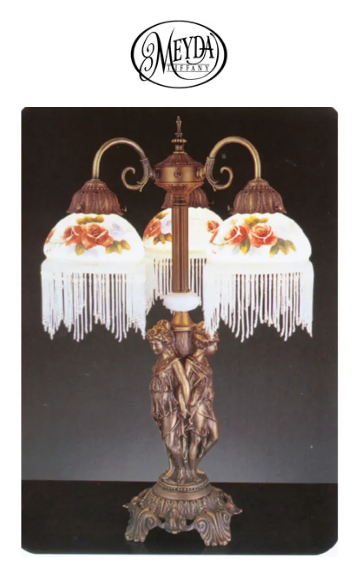
Victorian-era lighting is characterized by ornate and elaborate designs, often featuring intricate metalwork, glass shades with floral motifs, and embellishments like crystals or beads. Elaborate chandeliers with crystal prisms, wall sconces, and table lamps were popular during this period.
Arts and Crafts lighting emphasizes simplicity, craftsmanship, and natural materials like wood, copper, and glass. Mission-style pendant lights, mica lamp shades, and lantern-style wall sconces are common in Arts and Crafts interiors. Frank Lloyd Wright’s “Prairie School” style is a subset of the Arts and Crafts movement.
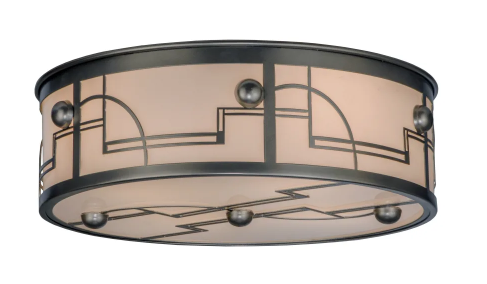
Deco ceiling light from www.build.comArt Nouveau lighting is known for its flowing, organic forms and nature-inspired motifs such as flowers, vines, and curves. Stained glass lamps with floral motifs, pendant lights with decorative glass shades, and brass fixtures with sculptural elements are typical of Art Nouveau design.
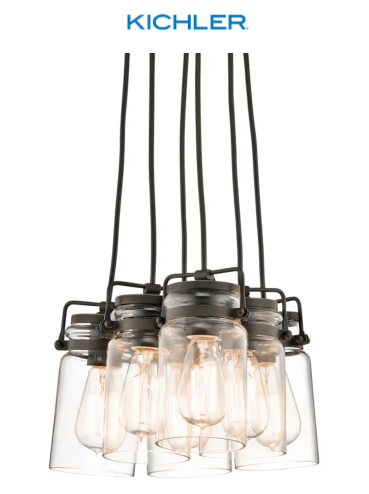
Art DIndustrial mason jar pendant light from www.build.comeco lighting is characterized by geometric shapes, bold colors, and streamlined designs. Chandeliers with geometric patterns, glass or chrome pendant lights, and frosted glass shades with angular motifs are typical of Art Deco style.
Industrial lighting draws inspiration from factories and warehouses, featuring utilitarian designs, exposed bulbs, and raw materials like metal and wire. Cage pendant lights, Edison bulb fixtures, and pulley-style wall sconces are common in industrial-style interiors. The focus is on functionality and the incorporation of salvaged materials into fixtures.
Mid-Century Modern is a very popular style right now. Lighting fixtures from that time feature clean, minimalist lines, organic shapes, and innovative materials such as molded plastic and fiberglass. Sputnik chandeliers, cone-shaped pendant lights, and floor lamps with sculptural bases are iconic of this era.
Adding period lighting into your home can enhance the historic style of your home. Consider the overall style and theme of your space, as well as the function and ambiance you want to create. It can be fun to hunt for period lighting pieces, but if your home was built prior to electricity, you can find wired reproductions of many period lighting fixtures as well. We recommend taking a look at Build with Ferguson, which has an extensive collection of lighting from a wide range of time periods. If you are interested in lighting styles, read here for more information about The Historical Evolution of Lighting.
Have fun making your period house your own!