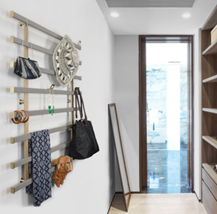


Many people don’t think about vertical storage when they think about organizing their homes. There are vertical solutions for every room, whether it is a magnetic strip on the kitchen wall to hold knives, a peg wall with hooks and holders in the garage for tools, sports equipment, and gardening supplies, or a decorative spice rack near your stove to corral those small bottles and free up cabinet space. If you are a crafter like I am, you know how quickly craft supplies can multiply and get out of control. Instead of stuffing them all in boxes and cupboards where you can’t see them, consider mounting a wall organizing system like this one from Hafele.
Another area that can benefit from decluttering is your clothes closet. Discard or donate any clothes that are outdated, no longer fit, or that you haven’t worn in the last several years. Be brutal! Once it’s out of sight, it will most likely be out of mind as well.
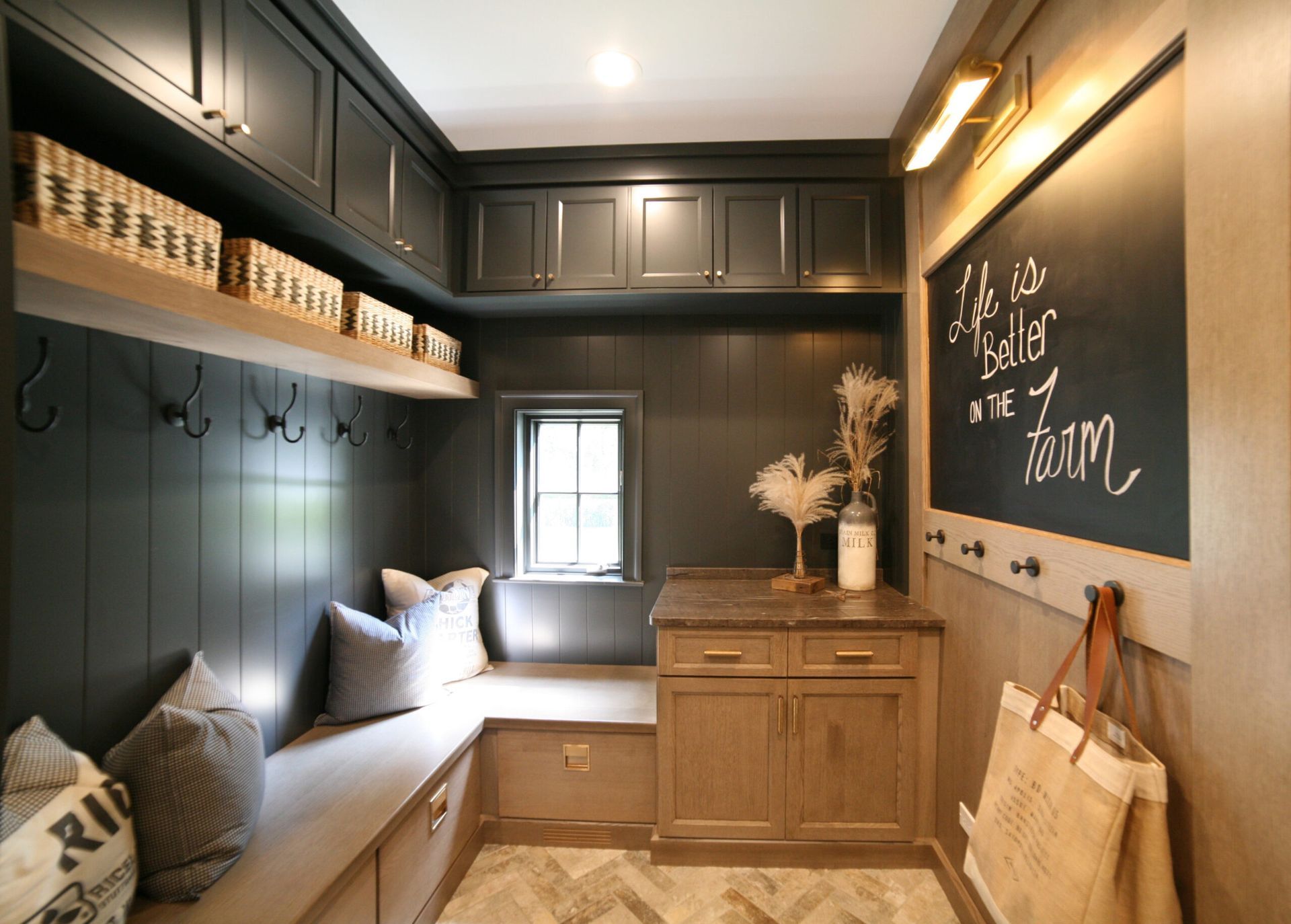
Once the decluttering is done, now you need to find a way to store the clothes that are left in a way that is convenient and easily accessible. Converting one wall or a portion of one wall to adjustable shelves is one solution. Baskets can hold loose items such as scarves, while clear plastic boxes can keep out of season shoes neat, clean, and organized. Vertical storage in the closet is another solution that many people may not consider. Symphony Wall Organizers come in a variety of heights and the bars can shift left or right to accommodate light switches and outlets. A variety of hooks allow flexibility to hang everything from shoes to bags to hats to jewelry, keeping everything easily accessible.
These are just a few ways you can organize your home to help reduce your stress and save you time. A quick online search will inspire you with many more ideas to declutter. Although the process may seem daunting, it will pay off in the end!
The Cons of Built-In Coffee Makers
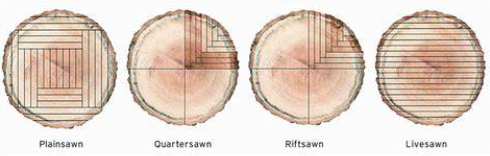
- Ribbon Mahogany – Offers a high-end, exotic look with a fine, straight grain and deep reddish-brown color.
- Cherry – Ages beautifully with time, developing a rich, deep red-brown patina.
- Birch – A cost-effective hardwood that mimics maple but is slightly softer.
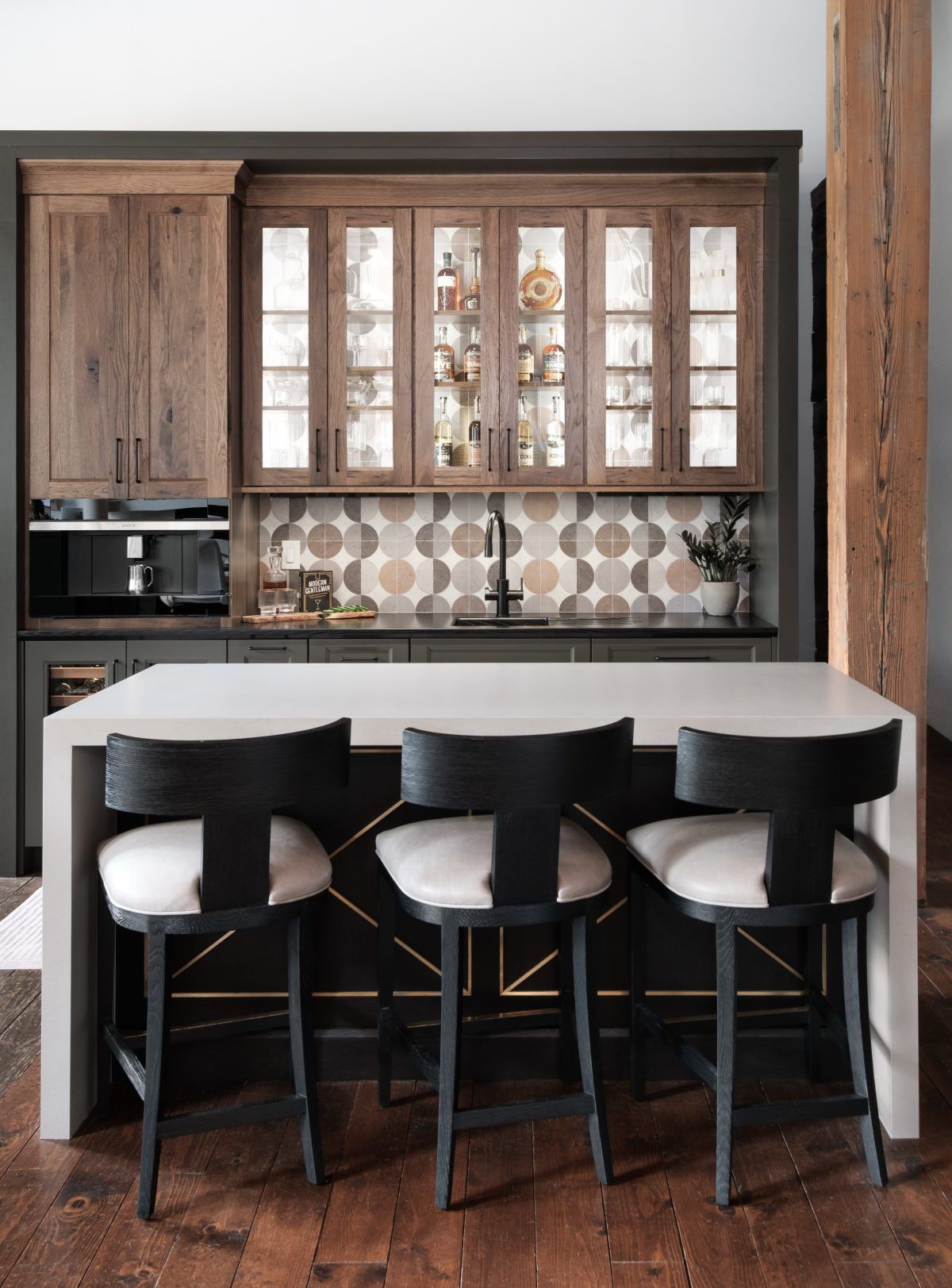

When it comes to remodeling a kitchen, few decisions feel as permanent (or as stressful) as choosing your countertops. It’s one of the first things people notice when they walk in — and it takes the brunt of daily life. From hot pans to wine spills, dropped utensils to sharp knives, it’s one of the hardest-working surfaces in your home.
And with so many options on the market, how do you figure out which one’s going to hold up best in your home?
Spoiler alert: there’s a tool we designers use to help cut through the noise, and it’s called the
Mohs Hardness Scale. It sounds a little technical (okay, it kind of is), but it’s actually one of the best ways to compare countertop durability — and we’re breaking it down in plain, real-life terms below.
What Is the Mohs Hardness Scale?
The Mohs Hardness Scale was created by German geologist Friedrich Mohs in 1812 to rank minerals based on how well they resist scratches. It ranges from 1 (the softest, like talc) to 10 (the hardest, like diamond).
Why should you care? Because your countertops are essentially big slabs of mineral — and knowing where your options rank on this scale gives you a solid idea of how they’ll stand up to scratches, dents, and daily wear and tear.
Popular Countertop Materials, Ranked by Hardness
Let’s put it into context with the materials we work with most often in kitchen and bath design:
- Soapstone — Mohs 1-2.5
- Marble — Mohs 3
- Dolomite — Mohs 5
- Granite — Mohs 6-7
- Engineered Quartz (Quartz) — Mohs 6-7
- Quartzite — Mohs 7
- Sintered Stone (Dekton, Neolith) — Mohs 7-8
- Porcelain Slabs — Mohs 8-9
- Diamond — Mohs 10 (just for fun!)
This ranking acts as a cheat sheet for predicting which materials will hold up to your lifestyle, especially if you’ve got little ones, grandkids, or lake house guests running in and out grabbing drinks and snacks all summer.
Yes — There Are More Choices Than Quartz (and Better Ones Too!)
Right now, engineered quartz is the go-to material for nearly every remodel. And while it’s a great option for a clean, low-maintenance surface, it’s far from your only choice.
If you’ve been dreaming about a natural stone kitchen, love the look of marble, or want something virtually indestructible for your lake house or outdoor kitchen, there are other materials better suited to your lifestyle. It all comes down to how you use the space — and what kind of upkeep you’re willing to take on.
The Truth About Marble — Beautiful, But High-Maintenance
Marble is undeniably gorgeous. It’s naturally cool to the touch, which makes it a favorite for bakers rolling out dough or tempering chocolate. Its classic veining and soft texture give it a timeless, elevated feel.
But here’s the deal: marble is high-maintenance.
Not only is it soft (ranking a 3 on the Mohs scale), but it’s also highly susceptible to etching. Etching happens when acidic substances like lemon juice, vinegar, wine, or tomato sauce react with the calcium carbonate in marble, leaving dull, chalky spots that look like water stains. They’re not scratches or stains — they’re chemical burns.
Can you fix etching?
Small ones, yes. You can buff out light etching with a marble polishing powder, but deeper marks may need professional refinishing. Something to consider if you cook frequently or have a busy kitchen.
Sealing Natural Stone — How Often Should You Do It?
Natural stones like marble, granite, dolomite, quartzite, and soapstone are all porous to some degree. This means liquids can seep into the surface and stain if the countertops aren’t properly sealed.
General guideline:
- Marble & Dolomite — Every 6–12 months
- Granite & Quartzite — Every 1–2 years
- Soapstone — Technically doesn’t need sealing, but benefits from regular mineral oil treatments to deepen color and even out natural darkening
Pro Tip: Try the water test — drop a few tablespoons of water on your stone. If it darkens within a few minutes, it’s time to reseal.
Soapstone: Is It Really Indestructible?
Soapstone is one of those materials people swear is indestructible — and in many ways, it is. It’s non-porous, highly heat-resistant, and won’t scorch or stain when you set a hot pan on it.
But here’s the catch: it’s actually quite soft, ranking just 1-2.5 on the Mohs scale. It scratches easily, but the good news is those scratches can be sanded out or blended in with a little mineral oil. Over time, soapstone develops a natural patina that fans of the material absolutely love.
Fun Fact: Soapstone darkens with age, and you can speed up the process with regular oiling. The oil doesn’t protect the stone — it’s purely cosmetic.
Quartzite and Sintered Stone: The Toughest Countertop Options
If you’re after a natural stone that’s both beautiful and tough as nails, quartzite is your winner. Ranking a 7 on the Mohs scale, it’s as hard as granite but with the dramatic veining of marble. It’s heat-resistant, scratch-resistant, and when properly sealed, very stain-resistant too.
Sintered stones like
Dekton and Neolith are engineered from natural minerals compressed under intense heat and pressure. These materials rank a 7-8 on the Mohs scale and are essentially bulletproof — heatproof, scratchproof, stainproof, and UV-resistant. Perfect for both indoor kitchens and outdoor spaces, though they can be tricky to fabricate because of their extreme hardness..
Granite and Quartz — Reliable, Versatile, and Classic
Granite is a kitchen staple for a reason. It’s tough, heat-resistant, and available in a huge variety of colors and patterns. While it does need sealing, it’s much lower-maintenance than marble or dolomite.
Engineered quartz (not to be confused with quartzite) is a manmade material composed of crushed quartz and resin. It lands in the same 6-7 range on the Mohs scale and doesn’t need sealing, making it highly stain-resistant. The only downside is it’s not as heat-resistant as natural stone, and edges can chip if hit hard enough.
Final Thoughts: Pick What Fits Your Life
At the end of the day, your countertops should work for your lifestyle — not just look good in a magazine. If you entertain often with wine, citrus cocktails, and hot pans straight from the stove, marble might not be your best match. If you’re looking for durability with zero fuss, engineered quartz or sintered stone might be perfect.
And if you’re not sure? That’s where we come in.
At Tailored Spaces, we design kitchens for real life. The kind with grandkids, lake days, big family cookouts, and holiday baking marathons. And yes — we’ll chat with you about everything from beverage centers to drop zones to whether you need a countertop tough enough for your cast iron skillet collection.
Ready to Plan Your Kitchen Remodel?
Contact Tailored Spaces here — we’d love to chat about your ideas and help you choose the perfect materials for your space.
Want More Countertop Tips?
Check out our blog post “Butcher Block, Granite, or Quartz? How to Choose the Best Countertop for Your Kitchen” where we dive deeper into these popular choices and how to pick the best one for your family.
Written by: Karissa 6/30/2025