

Many people don’t think about vertical storage when they think about organizing their homes. There are vertical solutions for every room, whether it is a magnetic strip on the kitchen wall to hold knives, a peg wall with hooks and holders in the garage for tools, sports equipment, and gardening supplies, or a decorative spice rack near your stove to corral those small bottles and free up cabinet space. If you are a crafter like I am, you know how quickly craft supplies can multiply and get out of control. Instead of stuffing them all in boxes and cupboards where you can’t see them, consider mounting a wall organizing system like this one from Hafele.
Another area that can benefit from decluttering is your clothes closet. Discard or donate any clothes that are outdated, no longer fit, or that you haven’t worn in the last several years. Be brutal! Once it’s out of sight, it will most likely be out of mind as well.
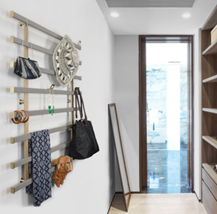
Once the decluttering is done, now you need to find a way to store the clothes that are left in a way that is convenient and easily accessible. Converting one wall or a portion of one wall to adjustable shelves is one solution. Baskets can hold loose items such as scarves, while clear plastic boxes can keep out of season shoes neat, clean, and organized. Vertical storage in the closet is another solution that many people may not consider. Symphony Wall Organizers come in a variety of heights and the bars can shift left or right to accommodate light switches and outlets. A variety of hooks allow flexibility to hang everything from shoes to bags to hats to jewelry, keeping everything easily accessible.
These are just a few ways you can organize your home to help reduce your stress and save you time. A quick online search will inspire you with many more ideas to declutter. Although the process may seem daunting, it will pay off in the end!
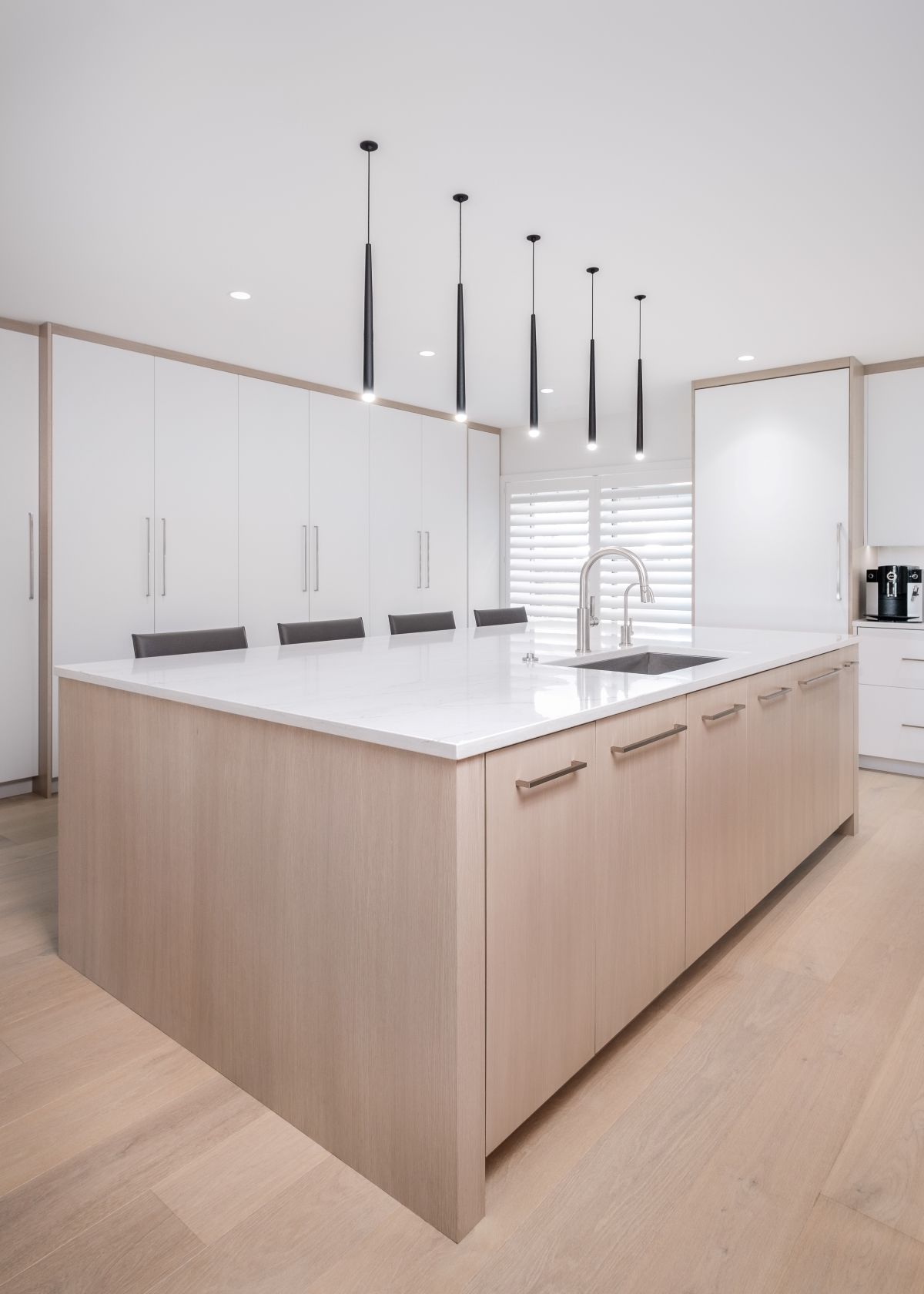

Choosing the right countertop material is essential to both the functionality and aesthetics of your kitchen or bathroom. With so many options available, it can be challenging to determine the best fit for your needs. In this post, we will compare four popular countertop materials: granite, quartz, marble, and butcher block. We will explore their unique characteristics, pros, and cons to help you make an informed decision for your next project. Let’s dive right in!
1. Granite Countertops
Granite is a natural stone celebrated for its durability, beauty, and the distinct patterns that make each slab unique. Due to the inherent variations in pattern and color, it’s common for clients to personally visit the countertop supplier to hand-select the exact slab that will be used in their space. This ensures that the chosen material perfectly complements their design vision, as no two granite slabs are exactly alike.
Pros
- Durability: Granite is one of the most durable countertop materials, resistant to heat, scratches, and stains (good for outdoor spaces too!)
- Aesthetic Appeal: Each slab of granite is unique, offering a wide variety of colors and patterns.
- Increases Home Value: Granite countertops are considered a premium feature that can increase the value of your home.
- Heat Resistance: You can place hot pots and pans directly on granite without damaging it.
Cons
- Porous Surface: Granite can be porous and may require periodic sealing to prevent stains and bacteria buildup.
- Cost: Granite can be expensive, especially for high-quality or exotic slabs.
- Weight: Granite is heavy, and cabinets may need additional support to handle its weight.
- Installation: Professional installation is recommended due to the complexity of handling and cutting granite.
2. Quartz Countertops
Quartz countertops are made from natural quartz combined with resins and pigments, resulting in a non-porous, durable surface that resists stains and scratches. With a wide range of colors and patterns, quartz offers the beauty of natural stone without the upkeep, making it a popular choice for both style and practicality.
Pros
- Low Maintenance: Quartz does not require sealing and is easy to clean, making it a low-maintenance option.
- Uniform Appearance: Quartz offers a consistent look throughout the slab, ideal for those who prefer a uniform appearance.
- Variety of Colors and Patterns: Available in a wide range of colors and patterns, including options that mimic natural stone.
- Stain and Scratch Resistance: Highly resistant to stains, scratches, and chipping.
Cons
- Cost: Similar to granite, quartz can be expensive, depending on the quality and brand.
- Heat Sensitivity: Quartz can be damaged by extreme heat, so it’s essential to use trivets or heat pads.
- Less Natural Look: Some homeowners prefer the more natural and varied appearance of stone like granite or marble.
3. Marble Countertops
Marble is a luxurious and elegant natural stone, known for its distinctive veining and timeless beauty.
Pros
- Aesthetics: Marble is highly sought after for its classic and luxurious appearance.
- Cool Surface: Marble stays naturally cool, making it ideal for baking and pastry-making.
- Variety of Patterns: Each marble slab is unique, offering a wide range of patterns and colors.
Cons
- Porous and Prone to Staining: Marble is more porous than granite and quartz, making it susceptible to stains and etching from acidic substances.
- Maintenance: Requires regular sealing and care to maintain its appearance.
- Cost: Marble is one of the more expensive countertop options.
- Softness: More prone to scratches and chips compared to other materials.
4. Butcher Block Countertops
Butcher block countertops are made from thick slabs of wood, often featuring a variety of wood types and finishes.
Pros
- Warm and Natural Look: Butcher block adds warmth and a natural feel to your kitchen or bathroom.
- Versatile and Easy to Work With: Can be easily sanded and refinished to remove stains or scratches.
- Budget-Friendly: Generally more affordable than stone countertops.
- Gentle on Dishware: Softer surface prevents glassware and dishes from breaking as easily.
Cons
- Maintenance: Requires regular sealing and oiling to protect the wood and prevent bacteria growth.
- Susceptible to Damage: Prone to scratches, dents, and water damage if not properly maintained.
- Limited Heat Resistance: Not suitable for placing hot pots and pans directly on the surface.
Conclusion:
Choosing the right countertop material depends on your lifestyle, aesthetic preferences, and budget. Granite and quartz offer durability and a wide range of options, while marble provides a timeless, elegant look. Butcher block countertops bring warmth and natural beauty to your space.
Weigh the pros and cons of each material to find the one that’s just right for your kitchen or bathroom makeover. After all, the perfect countertop is out there waiting to add a little magic to your space!